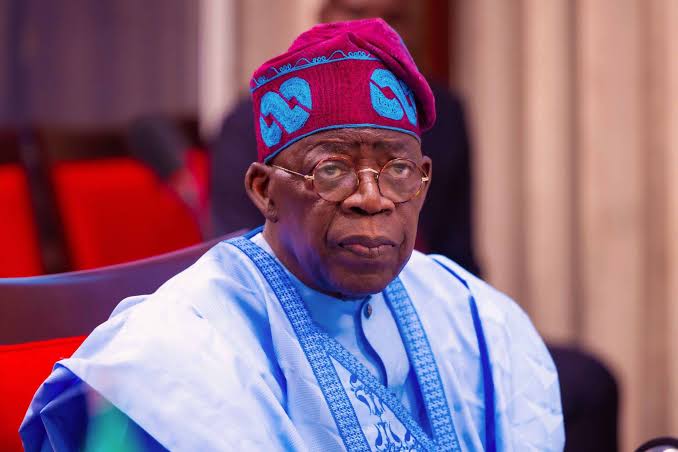
Nigeria’s President, Bola Tinubu, has called for a major overhaul of the global financial system, warning that rising debt-servicing costs are consuming resources that should be used for development.
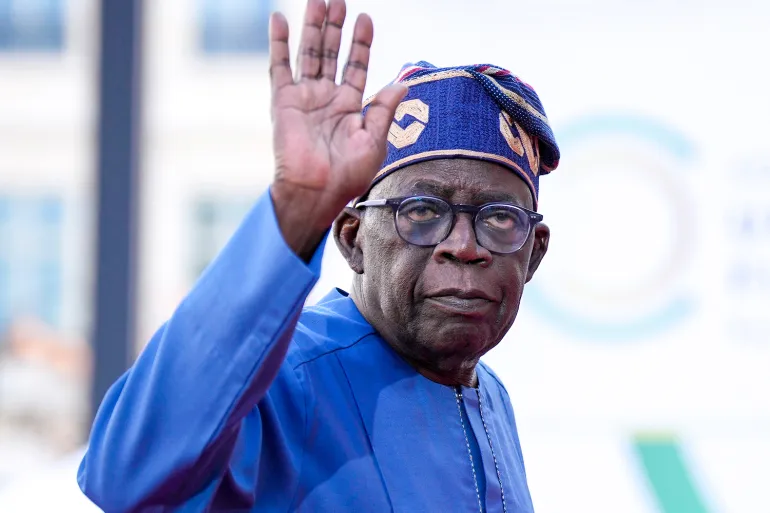
Speaking at the Africa Forward Summit in Nairobi, Kenya, Tinubu revealed that Nigeria is expected to spend about $11.6 billion on debt servicing in 2026, nearly half of the country’s projected government revenue.
According to the president, the growing debt burden is limiting Nigeria’s ability to invest in critical sectors such as infrastructure, healthcare, education, industrialization, and energy development. He argued that African countries continue to face unfair borrowing conditions in the international financial system, where they are often treated as high-risk economies despite ongoing reforms.
Tinubu stated that every dollar spent on “punitive interest rates” is money that could have gone into developing industries such as steel production, textile manufacturing, agro-processing, and digital innovation. He emphasized that Africa does not need charity but a fair economic system that allows the continent to grow and compete globally.
Since assuming office, Tinubu’s administration has introduced some of Nigeria’s biggest economic reforms in decades. These include the removal of fuel subsidies, currency devaluation, and tax reforms aimed at stabilizing the economy and improving investor confidence. However, many Nigerians continue to struggle with rising inflation, high living costs, and economic hardship.
Economic analysts have also warned that Nigeria’s debt servicing remains one of the country’s biggest financial vulnerabilities. Concerns are growing that if debt repayment continues to rise faster than government revenue, public spending on social development could face even more pressure in the coming years.
Tinubu further called for cheaper financing options for African nations, stronger support for industrialization, and stricter measures against illicit financial flows leaving the continent. He noted that Africa currently contributes less than 2% of global manufacturing output, despite its vast natural and human resources.
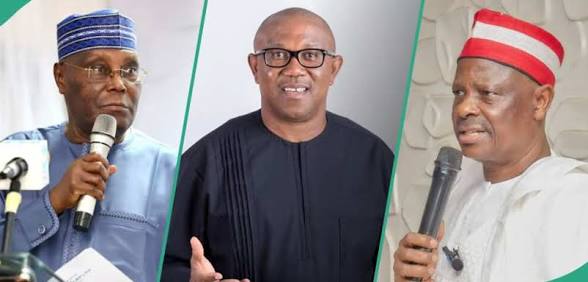
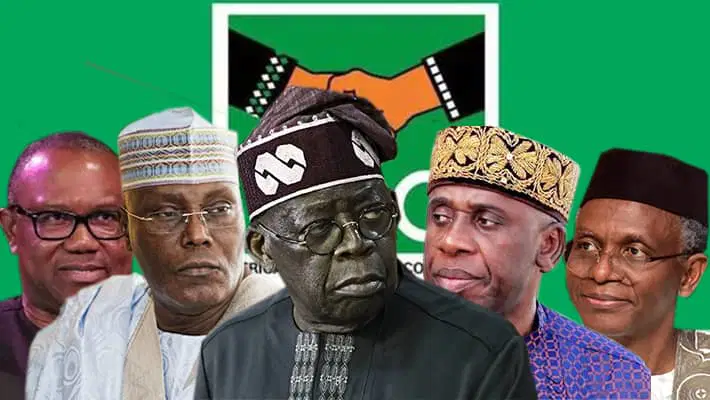
The statement comes at a politically sensitive period as Nigeria gradually moves toward the 2027 general elections, where economic performance is expected to remain one of the biggest campaign issues. Opposition figures and citizens continue to debate whether the government’s reforms will eventually deliver long-term growth or deepen economic hardship in the short term.
For many Nigerians, the president’s remarks highlight a larger global conversation about debt, inequality, and Africa’s place in the international financial system. Whether global institutions respond to these calls for reform remains to be seen.
No comments yet. Be the first to share your thoughts!